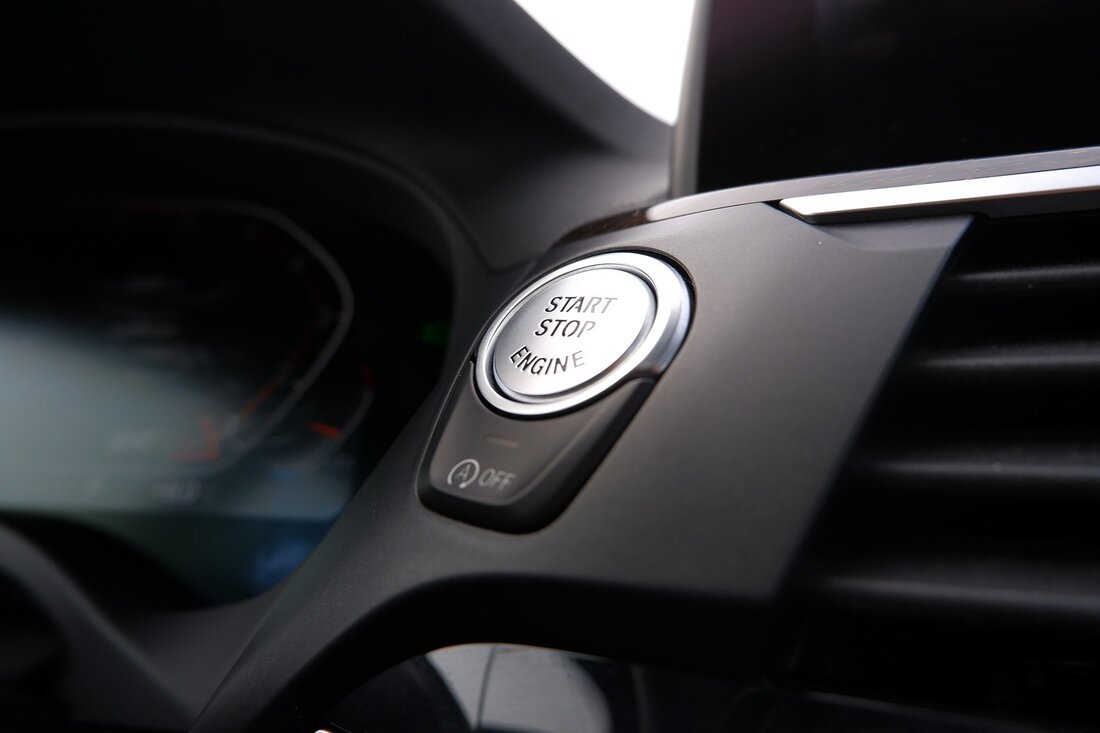


Unveiling the Truth: Auto-Start/Stop Technology in Cars - Debunking Myths and Exploring Efficiency8/1/2024 In 2012, the Obama Administration set ambitious standards for automotive companies, aiming for a corporate fuel economy average of 54.5 miles per gallon by 2025. To achieve this, manufacturers introduced innovative technologies like Auto-Start/Stop. However, concerns have emerged regarding its potential impact on engine components. Is Auto Start/Stop Bad For A Car Engine? Contrary to popular beliefs, there is no evidence that Auto Start/Stop accelerates wear on engine parts. This system operates when the engine is hot and easily restarts, with some engines relying on compression for starting. The primary wear on car engines occurs during cold starts, unlike the warm restarts facilitated by Auto Start/Stop. Modern vehicles are equipped with safeguards, upgraded bearings, and improved parts to withstand increased start cycles. Evolution of Auto-Start/Stop Technology Technology continues to evolve, with manufacturers enhancing Auto-Start/Stop systems. Mazda, for instance, introduces i-Stop technology, utilizing engine combustion instead of an electric starter. Despite online opinions, evidence is lacking to support the notion that Auto Start/Stop is damaging to engines. Understanding Auto-Start/Stop Technology Auto-Start/Stop temporarily shuts down the engine when the car comes to a full stop, restarting automatically when the driver is ready to move. While highway commuters may not notice significant fuel savings, urban commuters in stop-and-go traffic can experience up to five percent greater fuel efficiency. How Auto-Stop/Start Works Supplied by companies like Denso, Auto-Stop/Start systems detect stops through sensors linked to brake pedal depression and engine RPM drop. The engine temporarily stops, and the transmission disengages. Upon releasing the brake, the engine restarts with the transmission engaged, involving more components than just the starter. Disabling Auto-Start/Stop For those wanting manual control, most vehicles allow users to deactivate Auto-Start/Stop with a button. However, deactivation may result in a slight decrease in fuel economy. Some sports cars with specific modes automatically override the system, prioritizing performance over fuel efficiency. Leaving Auto-Start/Stop activated can contribute to fuel savings and reduced emissions, aligning with environmental goals. Understanding the technology and dispelling myths enables drivers to make informed decisions for a more efficient and eco-friendly driving experience.
1 Comment
Rivera
4/10/2024 02:58:51 pm
Best place for professional tuning and repair guides. Their blog has helped me stay ahead in a competitive industry.
Reply
Your comment will be posted after it is approved.
Leave a Reply. |
0%
Auto Tuning Blog “The content provided is for educational and informational purposes only.” Categories
All
|