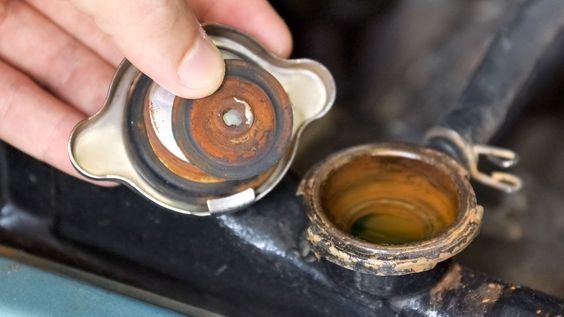


Unveiling the Hidden Culprit Symptoms of a Bad Radiator Cap | Electronic Repair Company Blog14/2/2023 Welcome to the Electronic Repair Company Blog, your ultimate destination for valuable insights and expert advice on auto tuning, repairs, and maintenance. In this article, we delve into the often overlooked component of a vehicle's cooling system—the radiator cap. By understanding the symptoms of a bad radiator cap, you can proactively address issues before they escalate and safeguard your engine's performance. Read on to discover the warning signs, potential risks, and effective solutions to maintain your vehicle's optimal cooling functionality Overview of the Radiator Cap: The radiator cap is a small but critical component that seals the radiator's pressure system, ensuring the engine stays within the recommended operating temperature. It serves two main purposes: preventing coolant leakage and maintaining the required pressure to enhance the boiling point of the coolant mixture. When the radiator cap malfunctions, it can lead to severe consequences for your vehicle's cooling system. Recognizing the Symptoms: a. Coolant Leakage: A deteriorating or faulty radiator cap may cause coolant to leak from the cap itself or around the radiator neck. Look for signs of visible coolant stains or puddles beneath your vehicle. b. Overheating Engine: If your engine consistently overheats, it could be a result of a malfunctioning radiator cap. The cap's failure to maintain the proper pressure may lead to a reduced boiling point of the coolant, resulting in engine overheating. c. Steam or Hissing Sounds: Pay attention to any steam or hissing sounds coming from the radiator area, particularly after turning off the engine. This could indicate pressure release due to a faulty radiator cap. d. Discolored or Rusty Cap: Inspect the radiator cap for any discoloration or rust, as these signs suggest internal deterioration and potential performance issues. Risks Associated with a Bad Radiator Cap: Ignoring a faulty radiator cap can have detrimental effects on your vehicle's cooling system and overall engine health. These risks include: a. Reduced Efficiency: A failing radiator cap compromises the cooling system's ability to maintain optimal operating temperature, leading to reduced engine efficiency and increased fuel consumption. b. Engine Damage: The inability to maintain the required pressure can cause engine overheating, leading to potential damage to the engine's components, such as the cylinder head gasket and water pump. c. Coolant Loss: Coolant leakage from a bad radiator cap can result in a decrease in the coolant level, leaving your engine susceptible to overheating and potential engine failure. Effective Solutions and Maintenance Tips: a. Regular Inspection: Include radiator cap inspection as part of your routine vehicle maintenance to detect any signs of wear or damage promptly. b. Replacement: If you notice any symptoms of a bad radiator cap or suspect its performance, it is crucial to replace it with a high-quality, compatible cap to restore proper functioning. c. Cooling System Flush: Consider periodic cooling system flushes to remove any contaminants that may affect the performance of the radiator cap and other cooling system components. d. Professional Assistance: Seek the expertise of a qualified auto repair professional for accurate diagnosis, proper replacement, and overall maintenance of your vehicle's cooling system. Understanding the symptoms of a bad radiator cap is essential for maintaining the optimal functionality of your vehicle's cooling system. By promptly identifying and addressing any issues, you can prevent engine damage, improve fuel efficiency, and ensure a smoother driving experience. For further insights, expert guidance, and dependable auto-tuning solutions
2 Comments
Christopher King
29/9/2024 12:12:22 pm
Very useful info, well explained.
Reply
Richard Davies
22/3/2025 03:01:01 am
Everything I need for auto repair in one blog.
Reply
Your comment will be posted after it is approved.
Leave a Reply. |
0%
Auto Tuning Blog “The content provided is for educational and informational purposes only.” Categories
All
|