

|
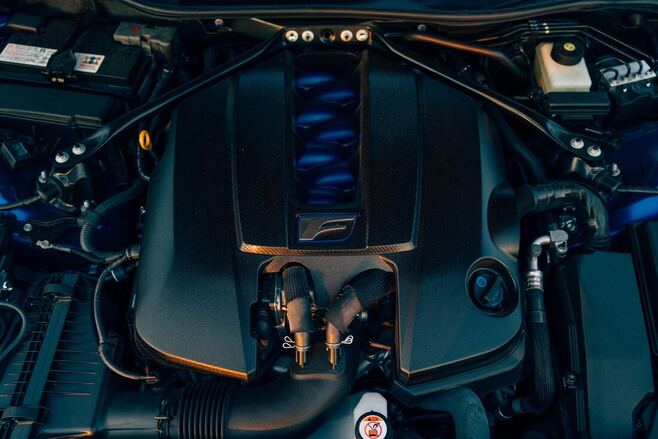
Petrol engines, also known as gasoline engines, are the most widely used internal combustion engines in automobiles. They are used to power a broad range of vehicles, from small hatchbacks to high-performance sports cars. This article aims to provide an in-depth understanding of petrol engines, their types, and their components. Types of Petrol Engines Four-Stroke Petrol Engines Four-stroke petrol engines are the most common type of engine used in cars. They use a four-stroke cycle to convert fuel into energy. The four strokes are intake, compression, combustion, and exhaust. During the intake stroke, the fuel-air mixture is drawn into the engine. During the compression stroke, the mixture is compressed. During the combustion stroke, the mixture is ignited, and the resulting explosion drives the piston. Finally, during the exhaust stroke, the spent gases are expelled from the engine. Two-Stroke Petrol Engines Two-stroke petrol engines are less common than four-stroke engines, but they are still used in some small engines, such as those used in lawnmowers and chainsaws. They use a two-stroke cycle to convert fuel into energy. The two strokes are the compression and combustion/exhaust strokes. During the compression stroke, the fuel-air mixture is compressed. During the combustion/exhaust stroke, the mixture is ignited, and the resulting explosion drives the piston and expels the spent gases. Components of Petrol Engines Cylinder Block The cylinder block is the main component of a petrol engine. It houses the cylinders, which contain the pistons that move up and down during the engine's operation. Pistons Pistons are cylindrical components that move up and down inside the cylinders. They are attached to the engine's crankshaft via a connecting rod, and their movement converts the fuel's energy into mechanical energy. Cylinder Head The cylinder head is attached to the top of the cylinder block and seals the combustion chamber. It contains the valves, which allow the fuel-air mixture in and the spent gases out. Valves Valves are components that control the flow of the fuel-air mixture and spent gases into and out of the combustion chamber. They are typically operated by a camshaft, which opens and closes them at the appropriate times. Crankshaft The crankshaft is a rotating shaft that converts the reciprocating motion of the pistons into rotational motion. It is connected to the pistons via the connecting rods. Petrol engines are an essential component of modern automobiles. They come in different types, including four-stroke and two-stroke engines, and are composed of several key components, including the cylinder block, pistons, cylinder head, valves, and crankshaft. Understanding the operation and components of petrol engines is critical for their proper maintenance and repair. Explore More
1 Comment
Tom Davies
4/10/2024 07:26:51 pm
Best automotive blog I’ve come across! The professional insights and repair solutions they offer are unbeatable.
Reply
Your comment will be posted after it is approved.
Leave a Reply. |
0%
Auto Tuning Blog “The content provided is for educational and informational purposes only.” Categories
All
|