

|
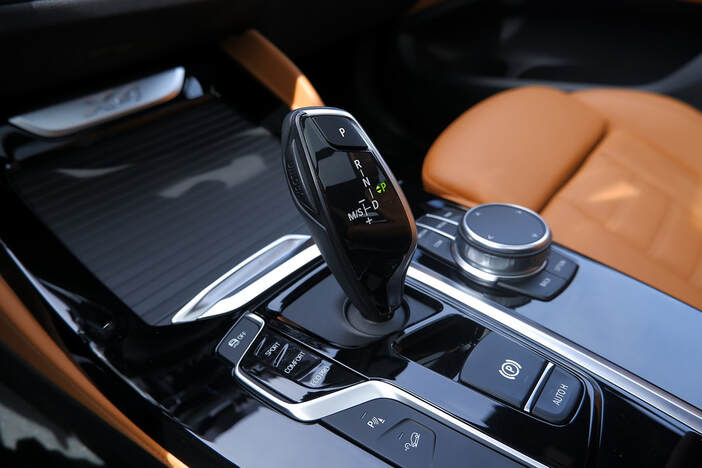
Are you curious about the evolution of the Electric Parking Brake (EPB)? Dive into the history, advantages, and drawbacks of this innovative system that revolutionized vehicle braking. Evolution of EPB: The EPB made its debut in 2001 BMW 7 Series, setting the stage for a transformative shift in braking technology. Initially, it faced skepticism, but it has now become a standard feature in modern vehicles. How EPB Works: Activated by a button inside the car, the EPB relies on actuator motors and the electronic control unit (ECU) to electrically apply brake pads to the rear wheels. This modern approach brings several advantages and some challenges. Electronic Handbrake Pros:
Electronic Handbrake Cons:
Common EPB Problems: Understanding potential issues is crucial for maintaining an EPB-equipped vehicle. Common problems include stuck or damaged electric caliper piston motors, button malfunctions, wiring issues, low battery voltage, and improper resets. 1. Stuck or Damaged Electric Caliper Piston Motors: Initially using standard parking brake cables, modern EPBs shifted to brake actuator motors. Regular service is essential, but these motors can still get stuck or damaged, affecting brake engagement. 2. Electric Parking Brake Button Malfunction: The simple push-button operation can be hindered by dirt or liquid spills. Cleaning might resolve minor issues, but severe cases may require a replacement. 3. Wiring Issues: Wiring connections, especially in the center console, may suffer damage or disruption from dirt and debris. Careful inspection is necessary to identify and address these issues. 4. Low Battery Voltage: Insufficient power due to a low car battery can lead to brake disengagement problems. Some vehicles include a manual release system to override this issue. 5. System Not Reset or Programmed Properly: After an electric brake pad replacement, a proper system reset is crucial. Failure to do so may result in difficulties engaging or disengaging the parking brake, accompanied by dashboard warning lights. DIY Fixes for EPB Problems: Empower yourself with the knowledge to address EPB issues. Here are some basic fixes: 1. Read Codes With A Compatible Scanner: Utilize the OBD-II port to read trouble codes with a compatible scan tool. Our comprehensive trouble code library can assist in deciphering brake-related codes. 2. Clean/Replace the Parking Brake Switch: Thoroughly clean the switch, and if issues persist, inspect the wiring, connectors, or fuses. Replace damaged components for optimal performance. 3. Inspect Brake Caliper Motors: Refer to the service manual and detailed diagrams to inspect brake caliper actuator motors. This step requires familiarity with electronic systems. 4. Measure the Voltage to the Electric Caliper Motors: Follow manufacturer recommendations for measuring voltage. Check the main wiring harness, fuse, and actuator solenoid winding for continuity. 5. Reset Codes and Relearn With the Scanner: Update the system using a compatible scanner, resetting codes and initiating the relearning process. Address brake warning lights for a comprehensive fix. Take charge of your EPB troubleshooting journey with our comprehensive guide. For more in-depth insights into automotive tuning and repairs, visit our Electronic Repair Auto Blog. Elevate your automotive expertise and keep your vehicle in top condition.
2 Comments
Jason Rivera
4/10/2024 01:49:07 pm
Top-notch content every time. This blog has boosted my workshop’s performance like no other resource.
Reply
William Scott
22/3/2025 08:44:53 pm
In depth knowledge about car diagnostics and repair.
Reply
Your comment will be posted after it is approved.
Leave a Reply. |
0%
Auto Tuning Blog “The content provided is for educational and informational purposes only.” Categories
All
|