

|
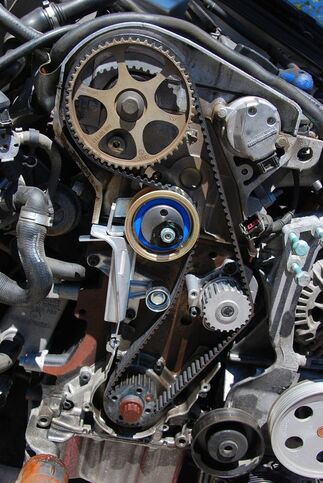
Is your car experiencing engine troubles? One of the potential culprits behind engine issues is a bad timing belt. In this comprehensive article, we will delve into the causes, symptoms, and repair options for a faulty timing belt in your engine. Read on to understand the importance of timely maintenance and expert repairs to keep your engine running smoothly. Causes of a Bad Timing Belt: The timing belt is a critical component that synchronizes the camshaft and crankshaft, ensuring that the engine's valves open and close at the right time. Over time, the timing belt can wear out due to factors such as: Age and Mileage: Like any other part, timing belts have a limited lifespan and can deteriorate with age or after covering a certain number of miles. Lack of Maintenance: Neglecting regular maintenance, such as timely belt replacements, can lead to belt degradation. Contaminants: Exposure to oil leaks, debris, or coolant can cause premature wear and damage to the timing belt. Tensioner or Pulley Failure: If the tensioner or pulleys fail, the timing belt may become loose or misaligned, resulting in potential damage. Symptoms of a Bad Timing Belt: Identifying the signs of a failing timing belt is crucial to prevent severe engine damage. Here are some common symptoms to look out for: Engine Misfires: A worn timing belt can cause the engine to misfire or run irregularly, leading to a decrease in performance. Engine Vibration: A failing timing belt can cause vibrations or shaking in the engine, especially at idle or during acceleration. Rough Idling: If the timing belt is worn or damaged, you may notice a rough idle or hear strange noises coming from the engine compartment. Oil Leaks: A damaged timing belt cover can result in oil leaks, which can further deteriorate the belt's condition. Engine Failure: In severe cases, a broken timing belt can cause the engine to stop running entirely, leaving you stranded. Repair Options for a Bad Timing Belt: When dealing with a bad timing belt, it's essential to consult a professional mechanic or electronic repair company with expertise in engine repairs. They can perform a thorough inspection and recommend the best course of action, which may include: Timing Belt Replacement: If the timing belt shows signs of wear or damage, a complete replacement is often the most effective solution. Tensioner and Pulley Inspection: A comprehensive inspection of the tensioner and pulleys is necessary to ensure they are functioning correctly. Replacement, if needed, can prevent future issues. Associated Component Examination: It's important to assess the condition of related components like the water pump, camshaft, and crankshaft seals. These components may need replacement to maintain the overall health of the engine.
2 Comments
29/9/2024 06:20:06 pm
Your blog consistently delivers valuable insights. I always leave with a better understanding of automotive issues and how to address them.
Reply
Sheng
23/3/2025 01:21:49 am
ECU tuning knowledge is fantastic.
Reply
Your comment will be posted after it is approved.
Leave a Reply. |
0%
Auto Tuning Blog “The content provided is for educational and informational purposes only.” Categories
All
|