

|
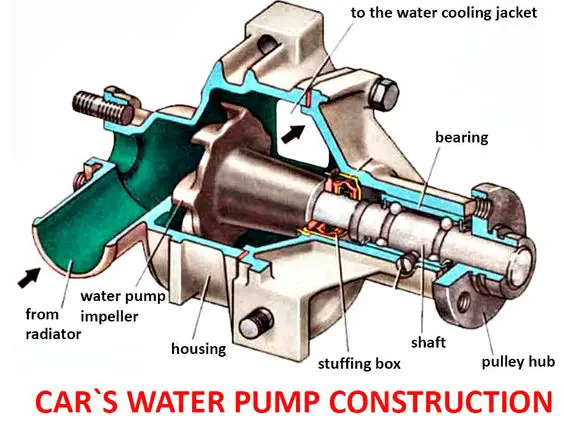
When it comes to your vehicle's cooling system, the water pump plays a vital role in maintaining optimal engine temperature. A faulty water pump can lead to overheating, engine damage, and costly repairs. In this article, we will discuss the functions of car water pumps and highlight the symptoms that indicate a bad water pump. By understanding these key aspects, you'll be better equipped to take care of your vehicle and ensure its smooth operation. Don't forget to bookmark our blog for more automotive tuning insights and expert advice. Functions of Car Water Pumps: Car water pumps are responsible for circulating coolant throughout the engine, ensuring that it stays at the right temperature. Here are the primary functions of a water pump: Coolant Circulation: Water pumps facilitate the flow of coolant from the radiator to the engine block and back, transferring heat away from the engine components. Maintaining Temperature: By constantly circulating coolant, the water pump helps regulate the engine's temperature, preventing overheating during operation. Lubrication: Water pumps often incorporate a weep hole that allows a small amount of coolant to leak out. This lubricates the pump's internal seals and bearings, enhancing its longevity. Symptoms of a Bad Water Pump: Detecting early signs of a failing water pump is crucial to prevent further damage. Look out for the following symptoms: Engine Overheating: If your engine temperature gauge starts climbing into the red zone or you notice steam coming from under the hood, it's likely due to a malfunctioning water pump. Coolant Leaks: Puddles of coolant beneath your parked vehicle can be an indication of a leaking water pump. Keep an eye out for any green or orange fluid accumulating under your car. Loud Whining Noise: A failing water pump may emit a high-pitched whining or grinding noise. This sound usually increases with engine speed and can indicate a damaged bearing or impeller. Engine Misfires: A faulty water pump can cause irregular engine operation, leading to misfires or decreased performance. If your vehicle experiences a loss of power or stutters during acceleration, have your water pump checked. Worn or Loose Pulley: A worn-out or loose water pump pulley can result in a rattling noise. Inspect the pulley for any signs of damage or excessive play. Car water pumps are essential components of your vehicle's cooling system. Understanding their functions and recognizing the symptoms of a failing water pump is crucial for maintaining engine health and preventing expensive repairs. If you notice any of the symptoms mentioned in this article, it's important to have your water pump inspected and, if necessary, replaced by a qualified technician. Regular maintenance and early detection can save you from the inconvenience and cost of a major breakdown. Stay tuned to our blog for more informative articles on automotive tuning and repair tips.
2 Comments
Ethan Parker
29/9/2024 12:11:31 pm
Simple and straight to the point.
Reply
Jakub Wiśniewski
22/3/2025 02:56:43 am
Konkretny i fachowy blog motoryzacyjny.
Reply
Your comment will be posted after it is approved.
Leave a Reply. |
0%
Auto Tuning Blog “The content provided is for educational and informational purposes only.” Categories
All
|