

|
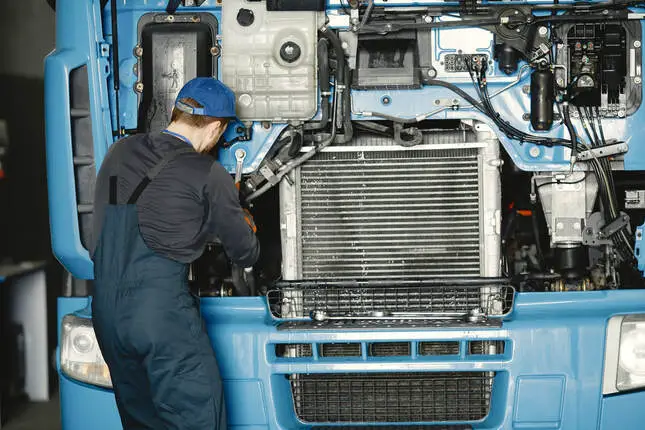
Today, we're diving deep into a common but often overlooked issue that can lead to significant engine damage if left unchecked - a clogged or bad radiator. Recognizing the early signs of radiator trouble can save you from the headache of costly repairs and keep your vehicle running smoothly. So, let's break down the six top symptoms you should be on the lookout for. 1. Overheating Engine The most glaring sign of radiator trouble is an overheating engine. When your radiator is clogged, it can't efficiently cool your engine, leading to excessive heat. If you notice steam or smoke billowing out from under the hood, it's a clear indicator that your engine is too hot. Seeing your temperature gauge spike into the red zone? That's your cue to pull over and address the issue immediately. Remember, while an overheating engine can stem from various problems, a bad radiator is often a prime suspect. 2. High Temperature Readings For those of you who know your car like the back of your hand, you'll notice when the temperature gauge starts creeping higher than usual. This subtle change signals that your coolant isn't doing its job correctly, thanks to a blockage in your radiator. Keep a vigilant eye on those readings; catching this symptom early can prevent a full-blown engine overheating scenario. 3. Coolant Leak Spot a puddle of coolant under your car? That's a telltale sign of a radiator issue. When the radiator is clogged, pressure builds up, forcing coolant out through the weakest points. Addressing coolant leaks quickly is crucial to maintaining the right temperature and preventing engine damage. 4. Damaged Radiator Fins Your radiator's fins are vital for dissipating heat, but they're vulnerable to damage from debris. Bent or damaged fins can significantly reduce your radiator's efficiency, leading to overheating. Regular checks can help spot this issue early, especially if you frequent off-road paths or gravel driveways. 5. Heater Malfunction Oddly enough, a faulty radiator can affect your comfort inside the car. If your heater isn't blowing warm air in the colder months, it could be due to a clogged radiator preventing hot coolant from reaching the heater core. So, if you're shivering in your car despite cranking up the heat, it's worth checking out your radiator. 6. Low Coolant Level Finally, a low coolant level, especially if it drops suddenly, can indicate a leak or evaporation due to overheating. Contaminated coolant, looking rusty or oily, also suggests a clogged radiator, as clean coolant is typically bright and clear. Regularly checking your coolant level and condition is a simple yet effective way to gauge your radiator's health. What’s Next? Understanding and Action Understanding these symptoms is the first step towards preventing serious engine damage. Regular maintenance and prompt action at the first sign of trouble can extend the life of your radiator and, by extension, your engine. Radiator Replacement and Repair Facing radiator troubles? The cost of replacement varies, ranging from $200 to $1,000, depending on your vehicle type and the complexity of the job. However, catching issues early can often save you from the higher end of this spectrum. Keeping an eye out for these symptoms of a bad or clogged radiator is crucial for any car owner. Regular checks and maintenance can save you from the inconvenience and cost of major repairs. And remember, if you're ever in doubt, consult with a professional mechanic to get your radiator and cooling system in tip-top shape. Stay cool and drive safely!
2 Comments
Bakker
6/10/2024 01:10:07 pm
Het helpt me elke keer bij het oplossen van complexe problemen in mijn werkplaats.
Reply
Tan Wei
22/3/2025 02:59:46 am
Top auto electronics insights.
Reply
Your comment will be posted after it is approved.
Leave a Reply. |
0%
Auto Tuning Blog “The content provided is for educational and informational purposes only.” Categories
All
|